Deliberate Practice, Explained Simply
Most people practice by repeating what they already know how to do. It feels productive, but it rarely moves the needle. Deliberate practice is different: you pick one specific weakness, work on it with full attention, and get immediate feedback on how you did.
- Shrink the target
- Make feedback fast
Shrink the target
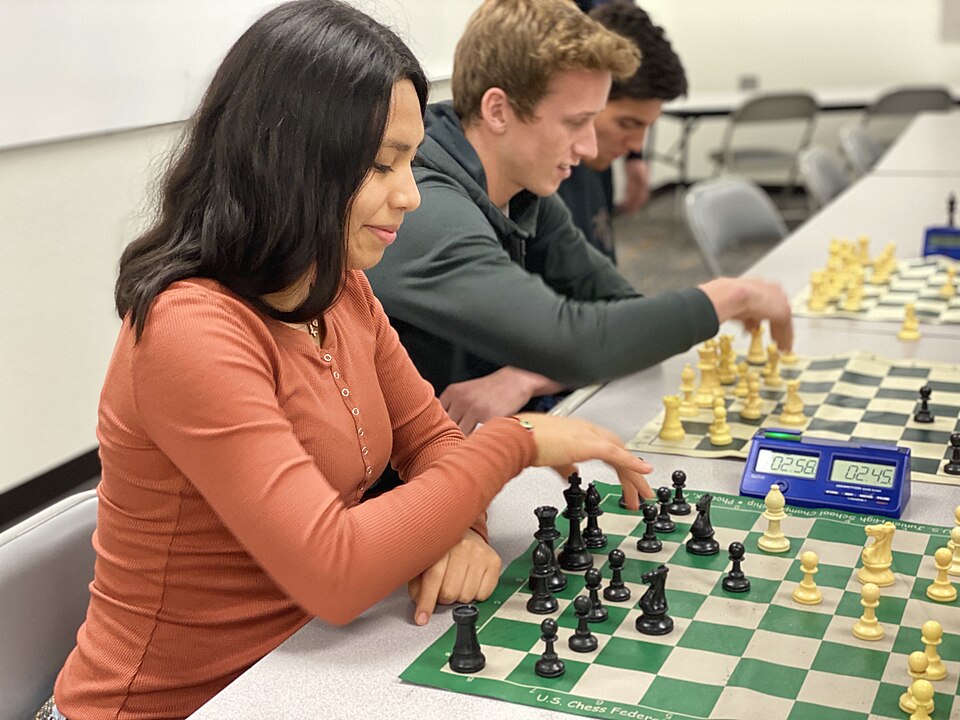
A simple way to start is to shrink the target. Instead of 'get better at writing', choose 'write clearer opening sentences'. Instead of 'improve at chess', choose 'spot hanging pieces before moving'. Small targets make feedback fast and honest.
Feedback does not have to come from a coach. A recording, a timer, a checklist, or a worked example can all tell you whether the attempt improved. What matters is that you compare the result against a clear standard, then adjust the next attempt.
Make feedback fast
Sessions can be short. Twenty focused minutes on one weakness usually beats two distracted hours of general repetition. Stop while you still know exactly what you were working on, and write down the one thing to fix next time.
Where the idea comes from
The term comes from research on expert performance, which found that top performers practice differently: they work on specific weaknesses with immediate feedback, rather than accumulating comfortable repetition. The practical lesson is that the quality of practice, not just its quantity, separates steady improvement from plateau.